Author: chitrininath

  • “What comes after death?” by Swami Vivekananda

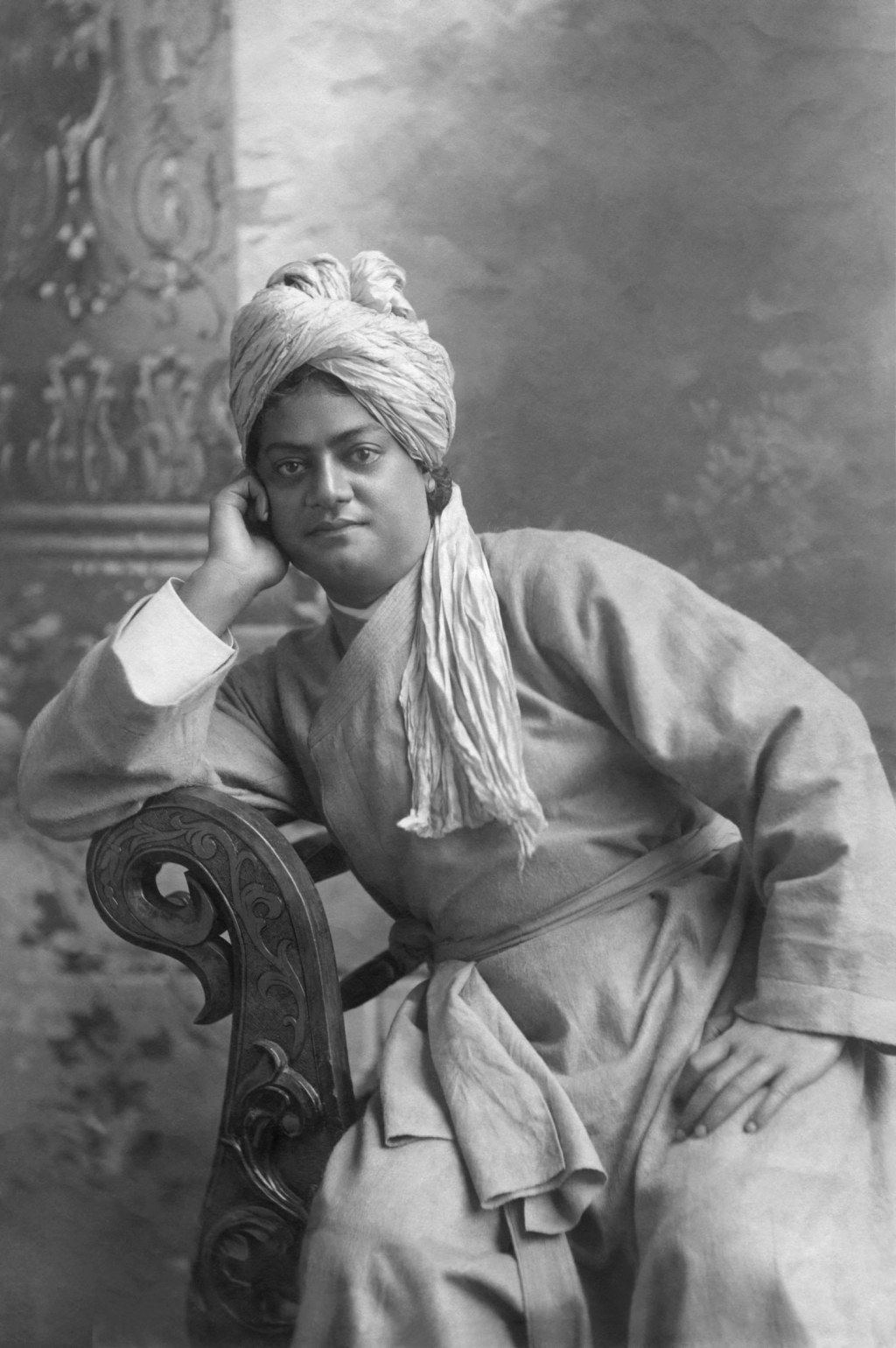
    “What comes after death?” by Swami Vivekananda

    What comes after death? All these Vedanta philosophers admit this Jiva is by its own nature pure. But ignorance covers its real nature, they say. As by evil deeds it has covered itself with ignorance, so by good deeds it becomes conscious of its own nature again. Just as it is eternal, so its nature is pure. The nature of every being is pure. 

    When through our good deeds all its sins and misdeeds have been washed away, the Jiva becomes pure again and when it becomes pure, it goes to what is called Devayana. Its organ of speech enters the mind. You cannot think without words.  Whenever there is thought, there must be words.  As words enter the mind, so the mind is resolved into the prana  and the prana into the Jiva.  Then the Jiva  gets quickly out of the body, and goes to the solar regions, this universe has sphere after sphere. This earth is the world sphere, in which are moons, suns and stars. Beyond that there is the solar sphere, and beyond that another which they call the lunar sphere. Beyond that there is a sphere which they call the sphere of lightning, the electric sphere, and when the Jiva goes there, there comes another Jiva, already perfect to receive it, and takes it to another world, the highest heaven, called Brahmaloka, where the Jiva lives eternally, no more to be born or to die.  It enjoys through eternity and gets all sorts of powers, except the power of creation.  There is only one ruler of the universe and that is God.  No one can become God; the dualists maintain that if you say you are God, it is blasphemy.  All powers except the creative come into the Jiva, and if it likes to have bodies and work in different parts of the world, it can do so. If it orders all the gods to come before it, if it wants the forefathers to come, they all appear at its command. Such are its powers that it never feels any more pain, and if it wants, it can live in the Brahmaloka through all eternity. This is the highest man, who has attained the love of God, who has become perfectly unselfish, perfectly purified, who has given up all desires, and who does not want to do anything except worship and love God. 

    There are others that are not so high, who do good works but want some reward.  They say they will give so much to the poor, but want to go to heaven in return. When they die what becomes of them? The speech enters the mind, the mind enters the Prana, the prana enters the Jiva, and the Jiva gets out, and goes to the lunar sphere, where it has a very good time for a long period.  There, it enjoys happiness, so long as the effect of its good deeds endures.  When the same is exhausted it descends, and once again enters life on earth according to its desire.  In the lunar sphere, the Jiva becomes what we call a god, or what the Christians or Mohommedans call an angel.  These gods are the names of certain positions; for instance, Indra, the king of the gods, is the name of a position; thousands of men get to that position.  When a virtuous man who has performed the highest of Vedic rites dies, he becomes a king of the gods; by that time the old king has gone down again and become man.  Just as kings change here, so the gods, the Devas, also have to die. In heaven they will all die. The only deathless place is Brahmaloka, where alone there is no birth and death.  So the Jivas  go to heaven, and have a very good time except now and then when the demons give them chase.  In our mythology it is said that there are demons who sometimes trouble the gods.  In all mythologies you read how these demons and the gods fought, and the demons sometimes conquered the gods, although many times it seems, the demons did not do so many wicked things as the gods.  In all mythologies, for instance, you find the Devas fond of women. So after their reward is finished, they fall down again, come through the clouds, through the rains, and thus get into the human body, when the grain or plant is eaten by men.  The father gives them the material out of which to get a fitting body.  When the material suits them no longer, they have to manufacture other bodies.  Now there are the very wicked fellows, who do all sorts of diabolical things; they are born again as animals, and if they are very bad, they are born as very low animals, or become plants or stones.  

    In the Deva form they make no Karma at all; only man makes Karma.  Karma means work which will produce effect.  When a man dies and becomes a Deva he only has a period of pleasure, and during that time makes no fresh Karma; it is simply a reward for his past good Karma.  When the good Karma is worked out, then the remaining Karma begins to take effect, and he comes down to earth.  He becomes man again, and if he does very good works and purifies himself, he goes to Brahmaloka and comes back no more.

    The animal is a state of sojourn for the Jiva evolving from lower forms.  In the course of time the animal becomes man.  It is a significant fact that as the human population is increasing, the animal population is 

    decreasing.  The animal souls are becoming men.  So many species of animals have become men already.  Where else have they gone? 

    In the Vedas there is no mention of hell.  But our Puranas, the latter books of our Scriptures, thought that no religions could be complete unless hells were attached to it, so they invented all sorts of hells. In some of these, men are sawed in half, and continually tortured, but do not die.  They are continually feeling intense pain, but the books are merciful enough to say that it is only for a period.  Bad Karma is worked out in that state and then they come back to earth, and get another chance.  So this human form is the great chance.  It is called the Karma-body, in which we decide our fate.  We are running in a huge circle, and this is the point in the circle which determines the future. 

    -from a speech given in 1893 at the Parliament of Religions in Chicago on “The Philosophy of Hinduism”
  • “History in the Making”

    New collaboration with Nipoon Joshi! In this video we discuss the transit of Saturn as it leaves Aquarius and makes its way into Pisces for the next 2.5 year cycle.

  • “Venus: Metamorphosis from Morning Star to Evening Star”

    New collaboration with Nipoon Joshi on his Youtube Channel sharing my research of the astronomy and history of planet Venus.

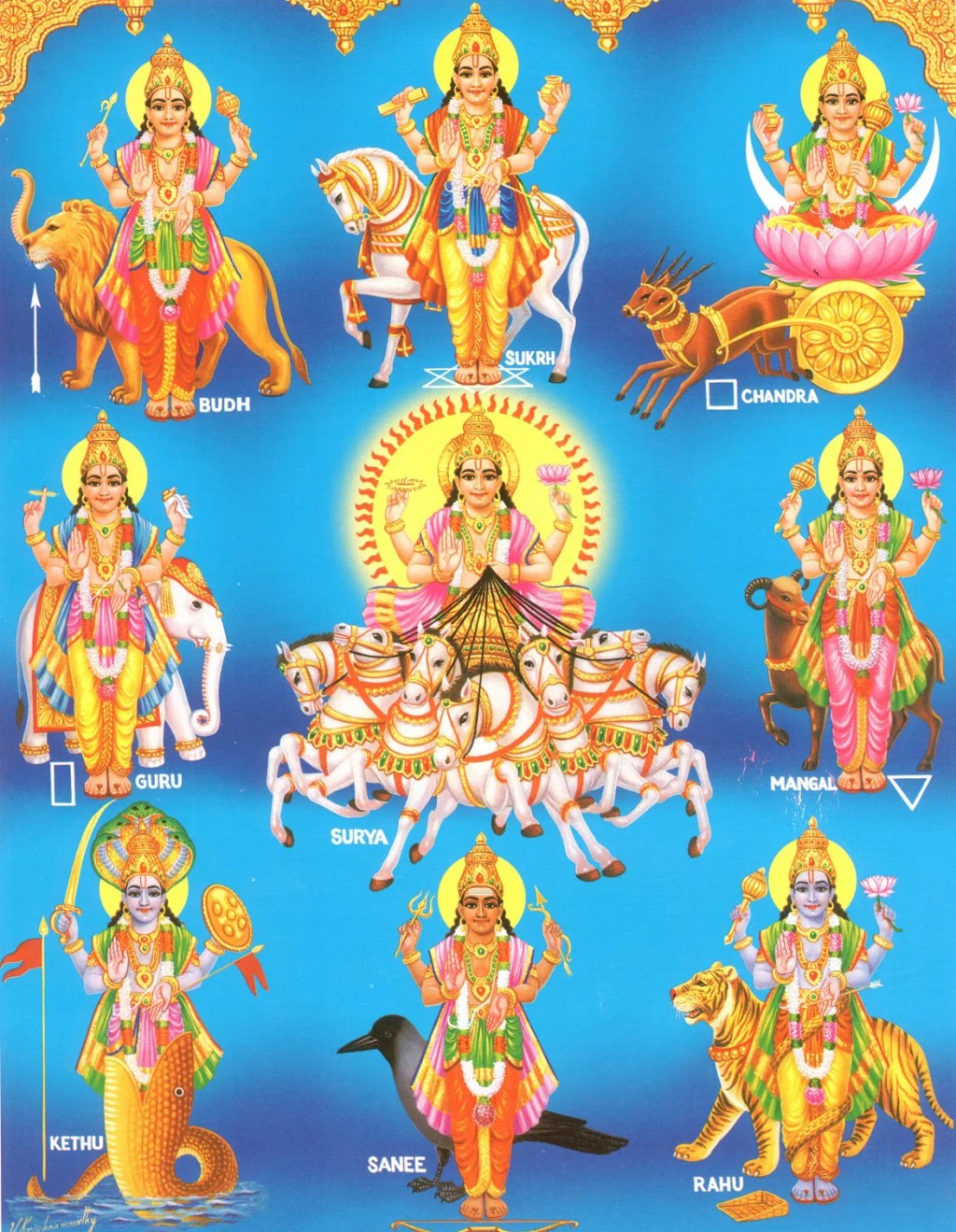
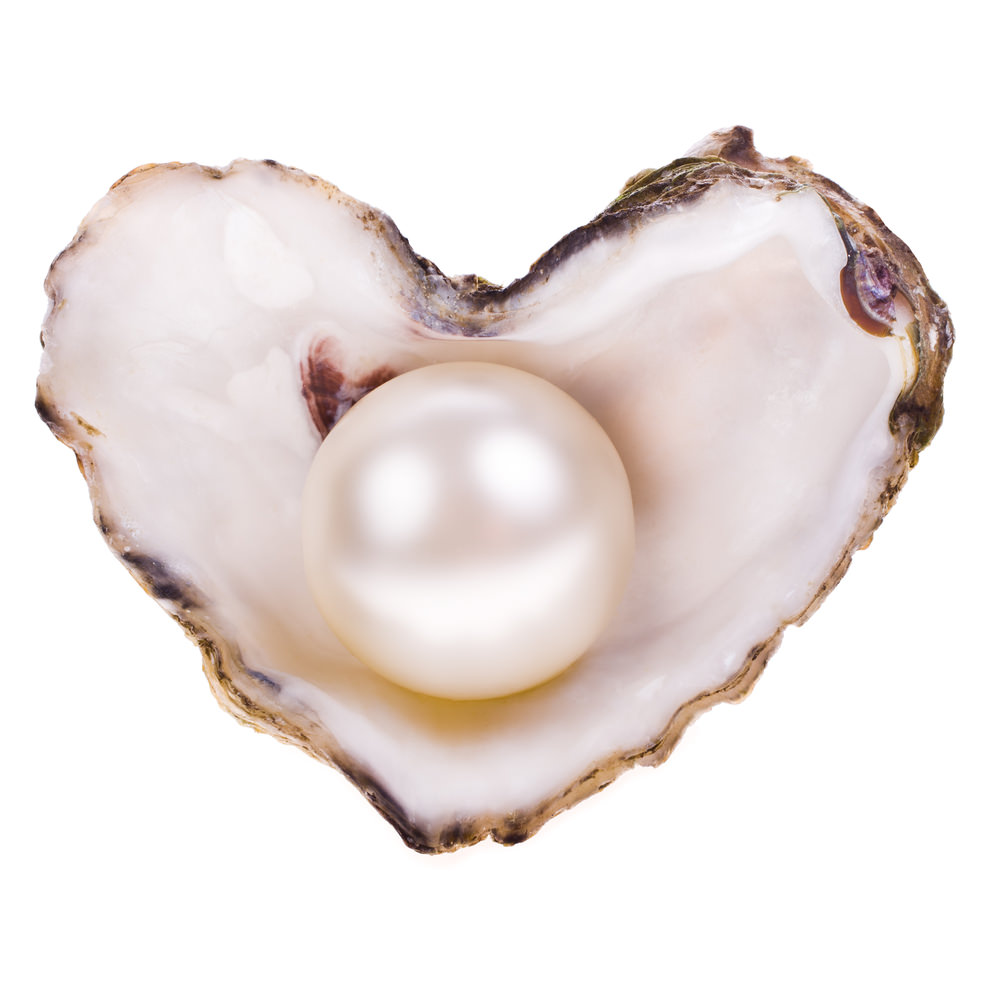
  • Gems of the Grahas: Pearl (moti), the Gem of the Moon (Chandra)

    Gems of the Grahas: Pearl (moti), the Gem of the Moon (Chandra)

    Numerology: 2 

    Tridoshic: suitable for everyone

    Qualities of Pearl: sweet, cooling nature, calms the mind. Nutritious in nature, strengthening to Rasa, Mamsa and Shukra dhatus.

    Moon rules the sign of Cancer, the natural 4th house of the Kaal Purush. The 4th house is where the heart is on a physical level and on a larger scale also represents our home, the place we live and is called Sukha Bhava “place of happiness.” 

    Wearing pearls balances all doshas, making them an excellent choice for sensitive individuals who are wanting a nurturing, protective energy to surround them. According to Ayurvedic Vaidya and Jyotishi Dr. Vasant Lad, pearl reduces aggravated pitta spikes. The ash of pearl (bhasma) is used for gastritis, gastric ulcer, peptic ulcer and sexual debility.  

    Moon types are drawn to pearls, due to their emotional, sensitive and changeable nature just like the moon. Vaidya David Frawley describes their nature as romantic, sentimental, talented artist types, they tend to cry easily and get hurt more often than other planetary types, but just like the phases of Chandra and their influence on them, they are capable of forgiving and forgetting. 

    Pearls amplify dormant psychic, spiritual and healing abilities. The wearer increases their innate mystical and empathic power to overcome their fears, worries, shyness and minimize emotional and psychic disturbances.  Pearl is the ultimate gem to bring in a sweet and gentle Divine Feminine Energy of Shakti in her mother Goddess Form.  

    Settings: Silver for Pitta types and Gold for Kapha and Vata types.  

    Worn on the little finger or index, depending on the birth chart.  Can be made into a necklace sitting on the heart center.

    Gems should be checked according to the birth chart by a knowledgeable jyotishi.

    Pink: Cancer

    Lt. Blue: Venus

    Grey: Rahu

    Black: Saturn

    Mantras for the Moon: Om Namo Bhagavate Vasudevaya, Om Som Samaya Namah, Om Chandraya Namah, Sri Rudram Namakam and Chamakam

  • Collaboration with Nipun Joshi!

    Yesterday during the auspicious transit of Guru Pushya Yoga, I had the pleasure of collaborating on an analysis of one of the biggest topics: 2024 USA Presidential election. Using the charts of the two highest polling contenders: Donald Trump and Kamala Harris, we went over the importance of timing (Dashas), nakshatras , Rahu ( a big player in both candidates charts) and the USA Sibley chart. What are the combinations that will raise someone up to the highest office of service and does the birth chart of our nation affect the outcome of the election? We discussed the impact on geopolitics, the economy and the effect on the overall morale of the country.

    *The Sibley chart was created by astrologer and physician Ebeneezer Sibley

  • Interview with Ksanati Jyotish!

    I was recently interviewed by one of my Jyotish teachers: Ksanati Jyotish! We previewed my lecture at this year’s Maharishi Parashara Conference: Venus, Love, Shamanism and Life Force. If you would like to attend this years conference please visit: https://www.parasharaconference.com/

    Enter code: Venus2024 for an extra 10.8 % discount on single lectures, day and full lecture series. The Maharishi Parashara Conference is being held virtually this year starting Thursday November 21, 2024. I have the pleasure of being the first presenter at 5am PST 8 am EST among many of the world’s finest in the world of Jyotish. This year’s focus is the next generation of up and coming Jyotishas! I look forward to seeing you all there.

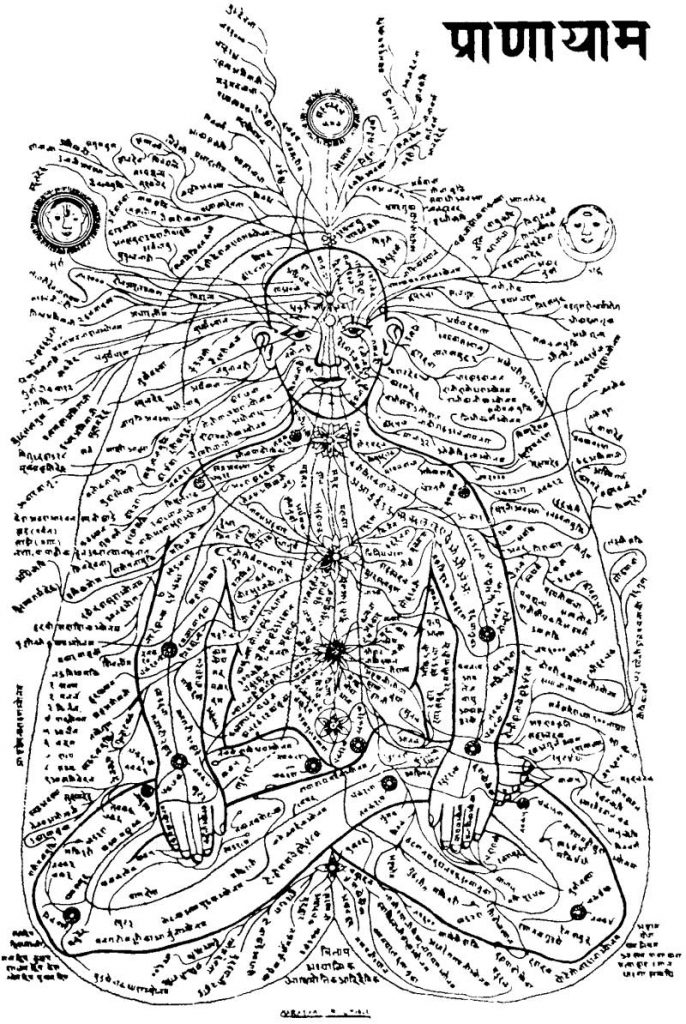
  • Prana, Pranayama and Vitality

    Prana, Pranayama and Vitality

    Pranayam is a practice that utilizes different breathing techniques to balance the 5 vayus (airs) in the body, which are governed by Vata.

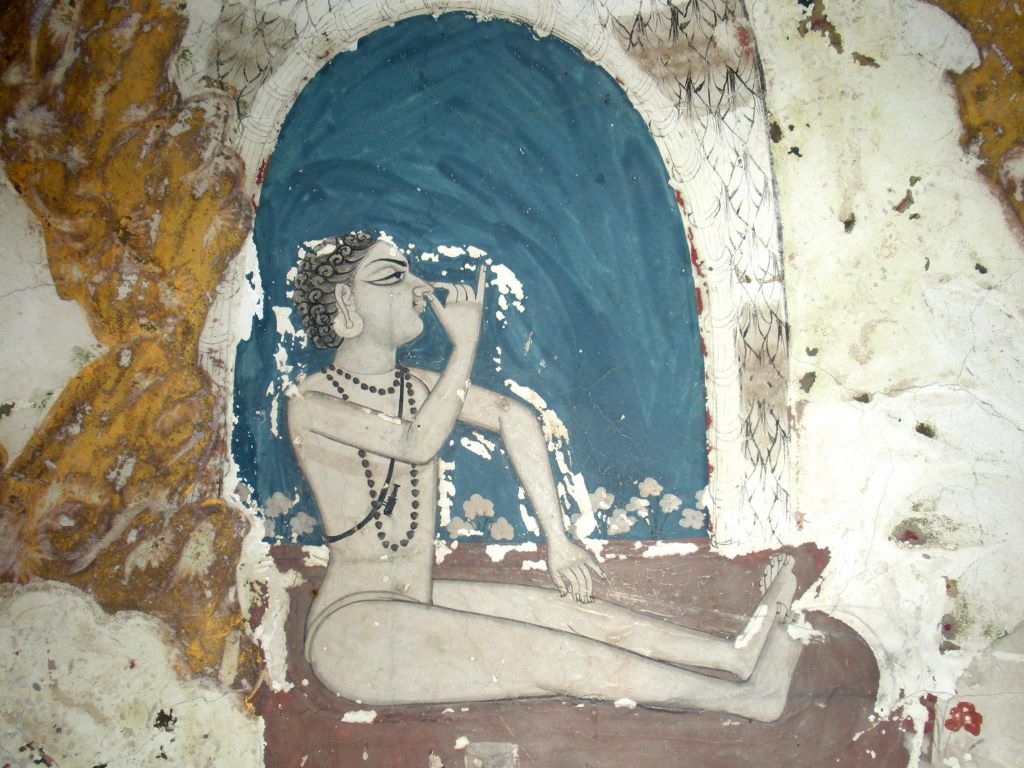
    Nadis are the subtle channels of the body that allow for the flow of prana. The three nadis we focus on most in the practice of Nadi Shodhana (nadi cleansing) are the Ida, Pingala and Shushumna. 

    • Stress
    • Toxicity in the physical body 
    • Physical and mental trauma
    • Unhealthy lifestyle

    Ida nadi (left nostril)-  cold, depression, low mental energy and sluggish digestion               

    Pingala nadi (right nostril) – heat, quick temper and irritation, itching body, dry skin and throat, excessive appetite, excessive physical or sexual energy

    Benefits

    • purifies and balances the nadis allowing for integration of prana into the Sushumna 
    • brings the mind back to the present moment
    • releases accumulated stress in the mind and the body
    • harmonizes left and right hemispheres of the brain, balancing the logic and emotions 
    • excellent therapeutic for circulatory and respiratory issues

    How to begin your practice

    Sit in a quiet and airy place free of disturbances. Easy pose is recommended but sitting in a chair with feet flat on the ground can be done if fatigued. Close the eyes, relax the face and start by focusing on the breath for 3-5 minutes. Once the breath has slowed you can rest the left hand on your knee and the right hand creates the mudra placing Jupiter and Saturn fingers on the mound of the hand slightly curled and the Venus, Mercury fingers and thumb close the nostrils. Practice at least 5 minutes or a minimum of 9 rounds to start, on an empty stomach. Do not practice when sick with a cold, flu or excessive sinus drainage. 

    Sheetali and Sheetkari are two cooling Pranayamas traditionally given to create a cooling effect in the body and alleviate fevers.  For beginners, start slowly with a maximum practice of 5 minutes. Those who are experienced with Pranayama practices can practice 5-15 minutes.  


    Benefits

    • calms Mind, balances emotions & sensory system
    • balances excess Solar Nature
    • balances rajas (passion) & neutralizes krodha (anger)
    • great for summer season 

    Goddess Sheetala

    Sheetala “the cooling one” carries a fan, lentils, pot of cold water, neem leaves in some versions and rides a donkey. She is a form of Goddess Parvati who protects from pox, smallpox, measles, fevers, blisters, rashes and epidemics.  Her worship is mostly in North India, Nepal, Bengal, Rajasthan, Gujarat, Bangladesh, Pakistan, &  Uttar Pradesh.   

    In Skanda Purana, her main stotra Sheetala Ashtak was believed to be written by Lord Shiva. Bhava Prakasha mentions her worship to alleviate epidemics and disease called Masuri (smallpox, also the name of a lentil). Her worship is traced back to pre-Puranic times.

    She is worshiped on the 8th day after Holi on Sheetala Ashtami, also called Basoda Puja, Krishna Paksha in the month of Chaitra.  

    Sheetali 

    • Close your eyes, sit with your spine straight in easy pose or in a chair 
    • Inhale through rolled tongue, hold a few seconds (kumbhaka) then exhale through the nose. 
    • Imagine Goddess Sheetala cooling you.  

    Sheetkari

    • Tantras describe as : she who performs the sound “sheet” also called the hissing breath 
    • Make your mouth into a strange smile exposing teeth. inhale through clenched teeth, hold a few seconds, exhale through the nose 

    After your practice, the mouth should feel cool. The position of the tongue and exposure of the teeth allows the body to “air out” and release the heat, transmuting it into coolness. The sound of the breath is the sound of the interaction of Shiva and Shakti, the cosmic union. 

    Contraindications: Low Blood pressure, Asthmatics, tonsillitis, cold and cough

    Thank you to my Guruji Lakshminath Maharaj who inspired this series of pranayama.

  • Essential Reads: Yoga: A Gem for Women

    Essential Reads: Yoga: A Gem for Women

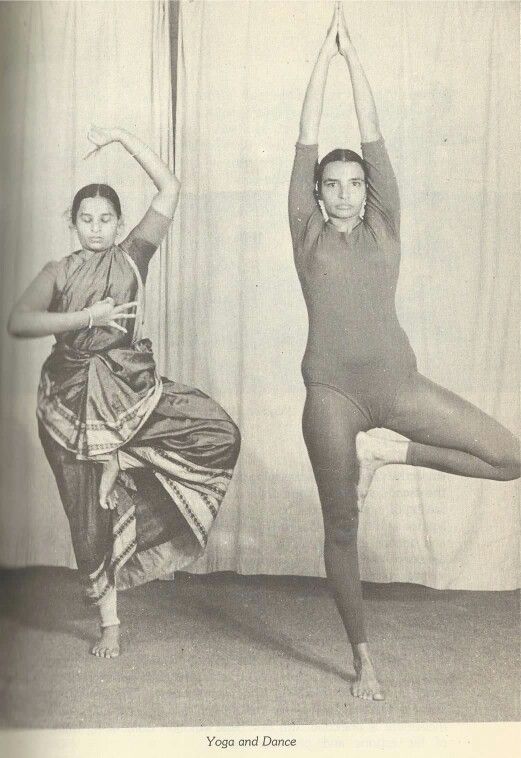
    This post will begin a series of blogs regarding essential reads for those on the path of self-illumination and healing. When it comes to books that I consider essential reading for women who study Yogic Science and Arts , “Yoga: A Gem for Women” is at the top of my list. This book is geared towards women (it can also be read by anyone that will be counseling women) and was written by Dr. Geeta S. Iyengar, the daughter of Yogacharya BKS Iyengar, who received a Doctorate of Ayurvedic Medicine (BAMS) and also became a Yogacharya herself. Geeta’s journey into the path of yoga began when was diagnosed with nephritis and the family did not have the money to cover the medical expenses recommended by western medicine. Determined to heal herself, she began to study yoga under the mentorship of her father at age 12. After years of practice, her own experiences and studies, she then compiled what became this book.

    Women have different needs due to the three major cycles of change in their bodies which begin in: puberty with the initial menstrual cycle, maturation for childbirth, and finally the disappearance of the cycle in older age. All these phases of a woman’s life can best be guided by a woman who herself has studied and tuned into her own body with stringent dedication and devotion to purity and health. She interweaves the sciences of Yoga and Ayurveda into a language that is easy for the beginner to follow. She was a pioneer in the world of Yoga, becoming a leader and guiding women on how to approach asana safely for all stages of life, from childhood, to pregnancy, to menopause and even giving advice on certain asanas for imbalances. I am sharing an excerpt from Chapter 2: “Four Paths to Liberation” , which explains the path of yoga:

    In the Bhagavad Gita, Krishna advises Arjuna thus:

    tapasvibhyodiko yogi

    jnanibhyo’pi matodhikah

    karmibhyascadhiko yogi

    tasmad yogi bhavarjuna

    “The Yogi is greater than the ascetic, the learned, or the man of action; therefore be a Yogi, Oh Arjuna.”

     The fact that the path of Yoga has been highly praised does not mean that the other three paths are inferior but, that Yoga has attained a fullness by absorbing the other three paths of knowledge, devotion, and action.  

     For any attainment, unity is indispensable. Without devotion and love, advaita, non-duality of the Universal Spirit with the Individual Soul, is impossible. Advaita is not attainable through knowledge alone. Knowledge, devotion, and action are so interwoven that without them nothing is attainable. There is no devotion without knowledge, no action without devotion, and Yoga is not possible without the combination of the three paths. In this way Yoga is unique. 

     In the science of Ayurveda the human body has been divided into six main parts: the head, the chest, the two arms, and the two legs.

     The head is the seat of knowledge, the heart that of devotion, the arms and legs are for action. The path of Yoga combines these three – body, mind and soul- which act in unison. Therefore, Yoga is the foundation for all the other paths.

     Explaining the excellence of the art and science of Yoga in Yogabija, Lord Siva says to Parvati: 

    jnana nisto viraktopi dharmajnopi jitendriyah

    vina yogena devopi na moksham labhate priye

    “Oh Parvati, the learned, the recluse, the righteous, and the one who has controlled the senses, even God Himself, cannot attain liberation without the pursuit of Yoga.” 

    Lord Siva again says:

    alokya sarvasatrani vicarya ca punah punah

    idamekam sunispannam yogasastram parammatam

    “Having studied all the scriptures and sciences, and thought them over again and again, one comes to the conclusion that the art and science of Yoga is the only true and firm doctrine.” 

     A verse from Atrisamhita upholds the importance of the path of Yoga: 

    Yoga helps to attain knowledge; Yoga teaches what one’s duty is; Yoga is a penance; hence it is essential to study Yoga.

     In Kathopanishad, Yama instructed Naciketa to acquire this knowledge from the discipline of Yoga.

    mrtyuproktam naciketo’tha labdhva

    vidhyametam yogavidhim ca krstnam

    brahmaprapto virajo’bhut vimrtyuh

    anyopyevam yo vidadhyatmamemvam  

     “Naciketa, having acquired this knowledge and the discipline of Yoga from the God of Death, realized the ‘Self”; he was purged of all impurities and became immortal. Others may also emulate him and become so.”

    Yoga truly is a personal practice that should be tailored to the needs of the individual at that moment and stage of life. One thing I found when working for the Iyengar Institute in Los Angeles that set them apart from other types of yoga schools, was that in every class the participants were asked if they had any injuries or conditions that would impact or limit their movements in their practice. This is something that should be done with every yoga class! The yoga instructor should have knowledge of anatomy, physiology and be aware the subtle impact of asana on the mind; otherwise, what is being taught is merely exercise not asana or yoga. These and other ethical foundational elements are also expanded on in the book. In closing, “Yoga: A Gem for Women” is full of such gems that can truly help women to begin their own personal practice with the proper guidance for those who do not have a knowledgeable yogacharya at their behest. Namaste.

  • What is Yoga?

    What is Yoga?

    “International Yoga Day” is celebrated globally on June 21, and it got me thinking “What IS Yoga?”. Many people in the Western Countries, believe that being a yogi (one who practices yoga) means someone that can perform the physical asana (pose) but neglect to factor in the mental processes that must be included in order to truly practice “Yoga”. Yoga is a multifaceted process that involves: the physical postures of asana, a clean sattvic diet and lifestyle, and strong daily sadhana (spiritual practices like meditation, mantra and energetic cleansing). I see this common misconception of yoga continuing to be promoted in this way due to society’s ignorance of the advanced marriage of philosophy and spirituality that is Sanantan Dharma (Hinduism). Most popularized Western cultures ignore the existence of the soul and the mind, which are integral parts of our experience that inform our place in the world. When a foundation that lacks spirituality is deemed “normal” and culturally acceptable, then the populace suffers in delusion and is not given any tools to combat the pain and sorrows that life can bring.

    Sanatan Dharma (the eternal code of ethics of all conscious beings, a philosophy not a religion) is the foundation of an advanced ancient society that continues to thrive in the modern era of Kali Yuga. Part of this philosophy includes the outlining of a system that organizes and teaches all aspects of life in accordance with the 4 pillars of life (dharma, artha, karma, moksha). It provides the tools we need to care for ourselves mentally and physically at all stages of life and in various situations under the counsel of a Guru qualified to dispense such precious vidhya (knowledge). The Guru who has himself or herself become the Guru after many experiences and dikshas (initiations) can be your counsel, instructing and guiding (shruti) on how to reach your spiritual goals. The relationship of Guru and Shishya is one that comes on its own timing, many may find their first Guru to be the texts that have been written about Yoga, such as: The Bhagavad Gita, Hatha Yoga Pradipika, The Yoga Sutras of Patanjali, etc.

    Yoga, much like Sanatan Dharma, is not something that can be approached and categorized as a uniform system. Its core can be best summarized by one of the most famous Yoga Sutras attributed to Patanjali: Chitta Vriddhi Nirodaha… yoga is the cessation of all thoughts and stilling of the functions of the mind. The goal is the same: to get to the point of union of mind, body and spirit, but the approach will vary from lineage to lineage, more importantly it will be different for each individual. No two humans have the same experience (this is also often not taught in the West). The individual experience is something that one must recognize as an evolution appropriate to the self at that time and space. The practice of yoga was shared with humanity by the Rishis (enlightened masters) as a means to heal ourselves, attain moksh (liberation) and return to the natural state we all emanate from. In closing, yoga is a constant process of the yogi to filter through the different facets of reality and maya (illusion) in daily life that continues until self-mastery through tapasya (austere practices) has been achieved.

  • 2024 News!

    2024 News!

    I am happy to announce that my research and studies in the field of Jyotish have culminated in the selection as a presenter for this years virtual Maharishi Parashara Conference! The conference will take place November 21-24 2024, featuring world renowned astrologers alongside newcomers like myself. My presentation “Venus: Love, Shamanism and Life Force” will showcase my research into planet Venus including new insights and never-before discussed topics in the field of Jyotish.  

    Use code: Venus2024 for a 10.8% Discount.

    THURSDAY
     

    (8-9 AM): Christina Escamilla. Venus, Love, Shamanism, and Life Force


    After contemplation and meditation on what I can offer to the field of Jyotish, I have been guided to share some of my insights into Venus!
    1. Lord Shurkracharya: his origin story, sanjeevani and healing, the hanged man story in tarot and of Odin
    2. Venus and the connection to the (rarely spoken of) fields of tantra, shamanism and Santan Dharma and how they all manifest uniquely in our birth charts and in culture.
    3. Venus is often depicted as a planet that is associated with Love but is also a karaka of Shukra and life-force (ojas)
    5. How to look at Venus in a chart, insights into Venus dasha and Venus retrograde!
    4. Simple remedies that students of jyotish and non-practitioners alike can find useful in their lives.
    6. Sample charts of Venus that illustrate the different energies that Venus represents

    To register for the conference please visit: https://www.parasharaconference.com/