Category: ayurveda

  • Graha Upaya: Remedies for Planets & Planetary Magick

    Graha Upaya: Remedies for Planets & Planetary Magick

    Jyotish Vidya describes (what we call the Planets) Graha – one who seizes the energy.

    “Brihat Jatak” by Acharya Varahamihira, details the colors of the planets:

    रक्त श्यामो भास्करो गौरेन्दुर्नात्युच्चाङ्गो रक्त गौरश्च वक्रः ।
    दूर्वा श्यामो ज्ञो गुरुर्गौरगात्रः श्यामः शुक्रो भास्करिः कृष्णदेहः ॥ ४ ॥

    rakta śyāmo bhāskaro gaurendurnātyuccāṅgo rakta gauraśca vakraḥ |
    dūrvā śyāmo jño gururgauragātraḥ śyāmaḥ śukro bhāskariḥ kṛṣṇadehaḥ
     || 4 ||

    Sun is Dark Red in Color

    Moon is White

    Mars colors are Red and White

    Mercury is dark colored Durva grass

    Jupiter is yellow colored

    Venus is Dark blue

    Saturn is Black

    (Note: A simplified translation)

    You will find a few variations in the colors of the planets… Most texts will give Venus the color white and Saturn dark blue.

    The Brihat Samhita mentions the following on Gems and Upaya:

    “According to some, gems are the bones of Balāsura and according to others, they are the bones of the Sage Dadhīci. In the opinion of some, gems are various sorts of stones which naturally exist in the earth.

    Twenty-two different sorts of gems (ratna) are mentioned. These are—Diamond, Sapphire, Emerald, Agate, Ruby, Blood-stone, Beryl, Amethyst, Vimalaka, Quartz, Crystal, Moon-stone, Saugandhika (a type of Ruby ), Opal, Conch-shell, Azure-stone, Topaz, Brahmamaṇi, Jyotīrasa, Sasyaka (blue vitriol Copper Sulfate), Pearl and Coral.”

    In various tantric and natural indigenous paths, bones, hide and teeth of animals are used in medicine pouches and amulets. It is not random – usually given by shaman or other healer for specific use charged on an intentionally chosen lunation, based on the nature of the working etc.

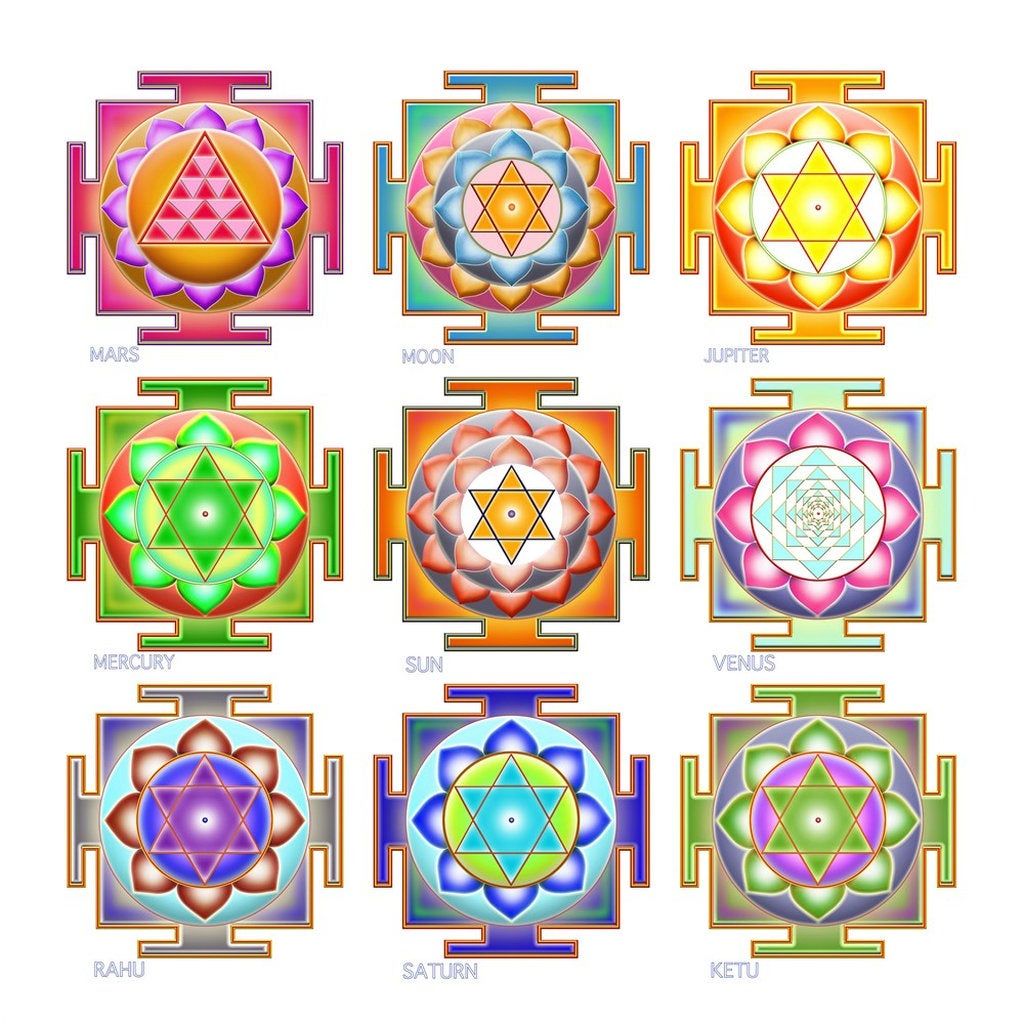
    The Yantras of the Grahas also give us a color palette to harmonize the energy of each Graha. Below is one example.
    Grahas are also associated with the days of the week, and Lord one hour per day and night (changing daily according to the Lord of the day – Varesh). The Vedic week begins with Sunday and ends with Saturn-day.

    Sunday – Ravivar – Lord is Surya (Sun)

    Monday – Somvar – Lord is Chandra (Moon)

    Tuesday – Mangalvar – Lord is Mangal (Mars) said to be co-ruled by Ketu (South Node of the Moon)after dark

    Wednesday – Budhavar – Lord is Budha (Mercury)

    Thursday – Guruvar – Lord is Brihaspati or Guru (Jupiter)

    Friday – Shukravar – Lord is Shukra (Venus) said to be co-ruled by Rahu (North node of the Moon) after dark

    Saturday – Shanivar – Lord is Shani (Saturn)

    When creating planetary magic using colors its important to consider the day of the Planet whose energy you want to work with along with the colors and tattvas (elements). By incorporation of various colors intentionally you are creating an energy field around yourself using the most available everyday items: clothing! This is a great remedy that anyone can try to harmonize transits, malefic combinations etc.

    Simple chant to the Trimurti+Devi and Navgraha:

    Brahma Murari Tripuratakari

    Bhanu Sasi Budhasca Shukraha

    Shani Rahu Ketva

    Bhagavati Kali
  • Bhoota Shuddhi

    Bhoota Shuddhi

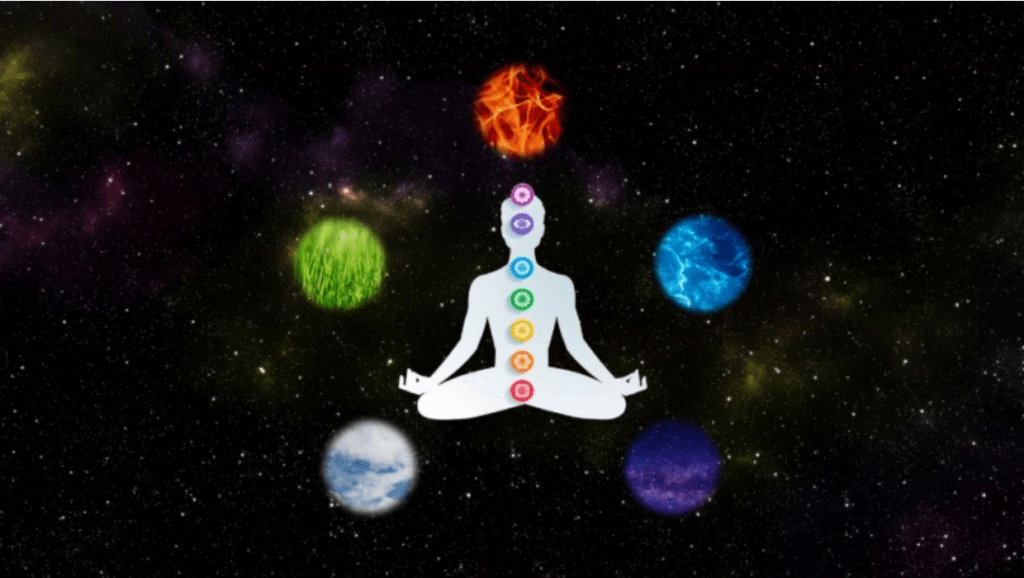
    According to Tantras, Bhutasuddhi is that ritual through which five physical elements of the body become purified and unite in the ceaseless Brahma.

    The Sadhaka should meditate upon the Kundalini Sakti as located in the Muladhara Chakra, thin like a lotus fibra and shining like lightning.  This Kundalini should be awakened from the Muladhara and brought through the Susumna (passing through the Svadhisthana and Manipuraka chakras) to the Anahata chakra located in the Heart. The Jiva in the form of a wick of a lamp situated here should be meditated as taken into the mouth and, piercing the Visuddha and Ajna cakras, has been led to the Sahasrara cakra, located in the Brahmarandhra, which is the house of Supreme Soul. The Sadhaka should, with the Hamsa mantra, merge Kundalini along with the Individual soul into the Superlative Soul.  

    Then, from the sole of the feet to Brahma-randhra, he should meditate on the Five elements with their colors, forms and Bija-mantras. 

    Its method is as follows- {Method #1}

    *Yellow – Square – Bhu Bija: Lam – Earth Element 

    Meditation: soles of the feet up to the knees

    *White – Half-circle – Two Lotuses – Jala Bija: Vam – Water Element 

    Meditation: knees up to the navel 

    *Red – Triangle – Svastika – Agni Bija: Ram – Fire Element 

    Meditation: Navel up to the Heart

    *Smoke – Circle with 6 Bindus – Vayu Bija: Vam – Air Element

    Meditation: from Heart up to the middle of eyebrows

    *Crystal Clear Eye-Catching – Sphere – Akasa Bija: Ham – Sky Element

    Meditation: from middle of the eyebrows up to the Brahmarandhara

    Akasha Ham Crystal

    Vayu Vam Smoke

    Vayu      Vam Smoke

    Agni Ram Red

    Jala Vam White

    Prithvi Lam Yellow

    Earth – Physical elements

    Organs of Activity: anus, feet, vocal chord, genitals and their actions  of grasping and motion

    Sense Organs: nose, tongue, eyes, skin, ears and their actions

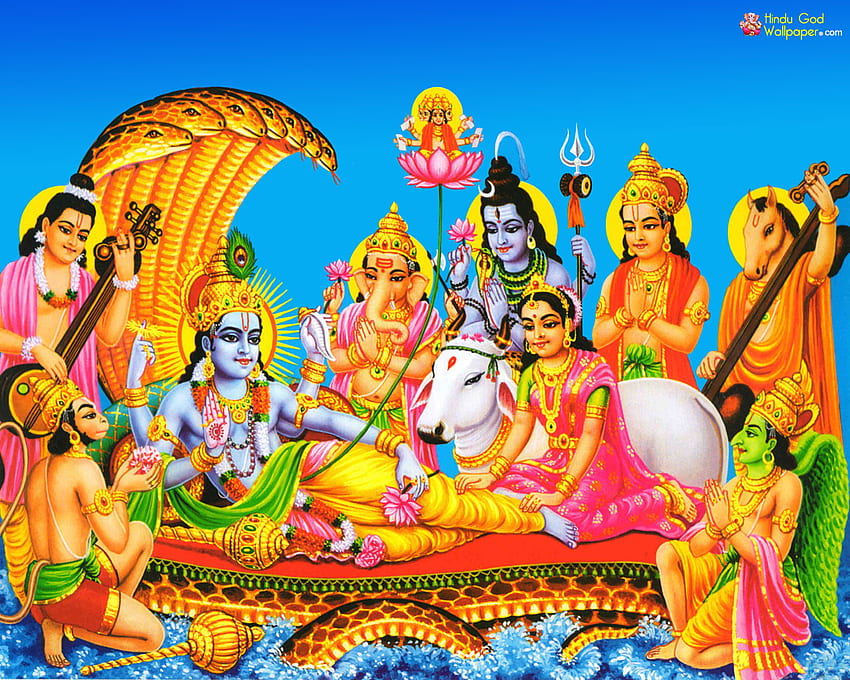
    Presiding deities: Brahma, Vishnu, Shiva, Isana and Sadasiva

    Kalas: Nivritti, Pratisuha, Vidya, Santi & Santyatita

    Vayus: Samana, Udana, Vyana, Apana & Prana  

    After thus meditating on the Earth elements the Sadhaka should liquefy the Earth into Water, Water into Fire, Fire into Air, Air into Sky, Sky into Ahamkara (Ego), Ahamkara into Mahat tattva, the Mahat tattva into Prakriti and the Prakriti into the Soul. 

    After that, feeling himself pure and Saccidananda, the Sadhaka should concentrate upon the dark skin toned and thumb-sized embodied Sin located in the left cavity of his abdomen.  Brahmanicide is the head of this embodied sin, theft of gold its hands, drinking wine its heart, defilement of Guru’s bed its waist, contact with the sinners and the like its feet and minor sins its body-hairs. Such an embodied wicked sin, wielding sword and shield with its head upside down, should be meditated on.

    Purascarana Candrika Bhutashuddi: {Method #2}

    “The Sadhaka should meditate that there is a lotus in the heart whose root is Dharma and stalk in knowledge.  Eight kinds of supremacies are its petals and Para-vairaghya is its seed vessel.  It is illuminated by Pranava (Aum).  In its seed vessel is located the Individual Soul bright in form like the wick of a deepak. “

    Meditating thus the Sadhaka should concentrate upon the Kundalini located in the Muladhara.  This Kundalini, sleeping in the Muladhara, should be awakened and, through the pathway of Susumna, be taken along with the Individual Soul to be merged with the Supreme Soul.  For a moment the Sadhaka should experience this state.  Then, through the Kundalini, bring back the Individual Soul from the propinquity of Supreme Soul, establish it again in the heart and then Kundalini brought back to the Muladhara.  

    {Method #3}

    Despite the above two, there is a third method of Bhutashuddhi. In the above two methods we find the experiences of Raja yoga, Bhavana or feeling of Laya Yoga, Sakti of Mantra-yoga and the actions of Hatha-yoga; but in this method there is a beautiful tinge of the power of Mantra and the feeling of the meaning of Mantras.  It undeniably culminates into the Raja-yoga but there is absolutely no Hatha-yoga in it. In this method there is a repetition of the following four mantras with the feeling of their meaning-

    1. Aum paramasivasusumnapathena mula-srngatam allasa allasa jvala jvala prajvala so’ham hamsah svaha.

    2. Aum Bhutasrngatat sirah susumnapathena jivasivam paramasivapade yojayami svaha.

    3. Aum Ram sankocasariram daha daha svaha.

    4. Aum Yam Lingasariram sosaya sosaya svaha.

    Repeating these mantras with a mental feeling of their meaning for a moment with one pointed mind, the body becomes pure and godly. 

    Spirituality is the only medium to know and understand about that unseen 

    beyond worldly power , to whom we know by the name of Ishwar, Allah, Waheguru, Moula, God. Spirituality has many branches. We can achieve our target by any one of its branches.

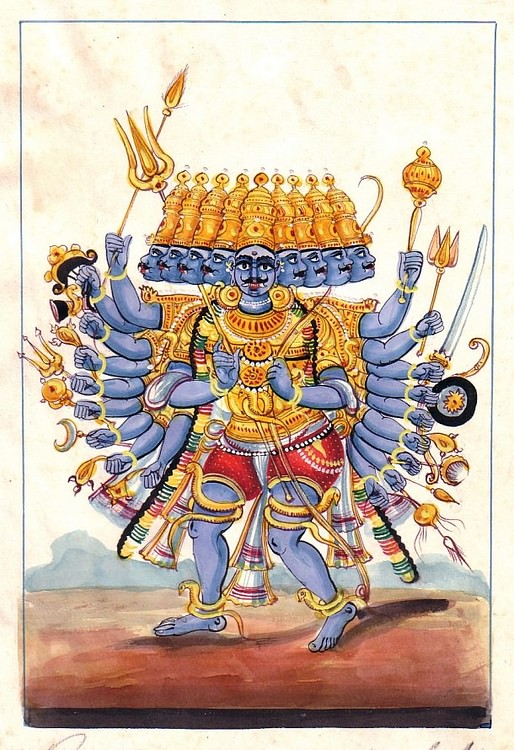
    Ravan Sanhita (Mantra, Tantra and Yantra) “The Science of Mantras” 

  • Prana, Pranayama and Vitality

    Prana, Pranayama and Vitality

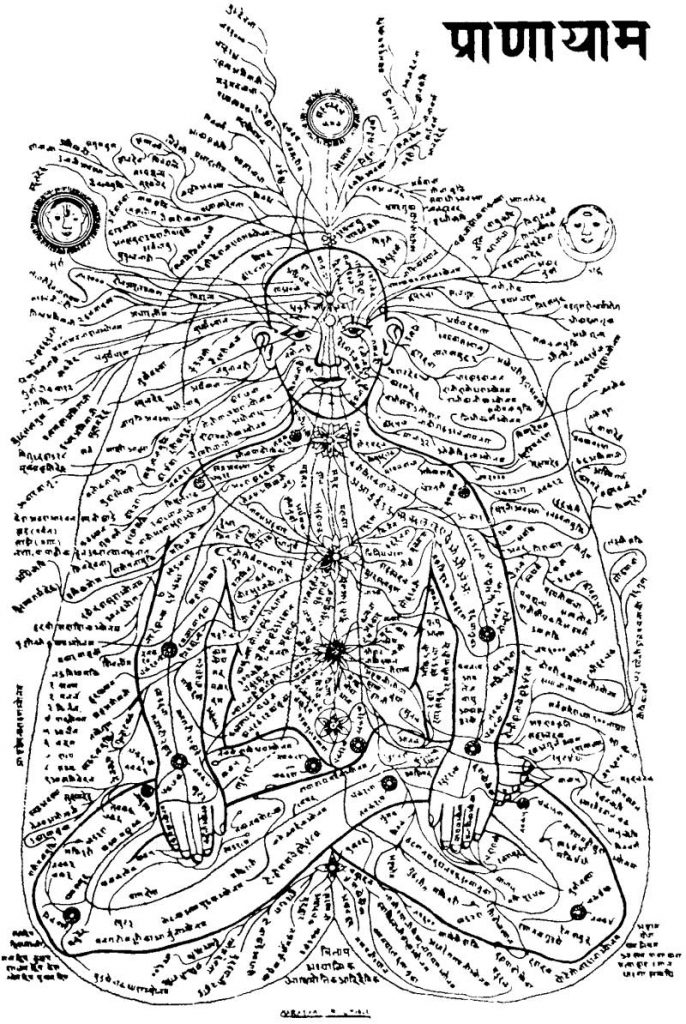
    Pranayam is a practice that utilizes different breathing techniques to balance the 5 vayus (airs) in the body, which are governed by Vata.

    Nadis are the subtle channels of the body that allow for the flow of prana. The three nadis we focus on most in the practice of Nadi Shodhana (nadi cleansing) are the Ida, Pingala and Shushumna. 

    • Stress
    • Toxicity in the physical body 
    • Physical and mental trauma
    • Unhealthy lifestyle

    Ida nadi (left nostril)-  cold, depression, low mental energy and sluggish digestion               

    Pingala nadi (right nostril) – heat, quick temper and irritation, itching body, dry skin and throat, excessive appetite, excessive physical or sexual energy

    Benefits

    • purifies and balances the nadis allowing for integration of prana into the Sushumna 
    • brings the mind back to the present moment
    • releases accumulated stress in the mind and the body
    • harmonizes left and right hemispheres of the brain, balancing the logic and emotions 
    • excellent therapeutic for circulatory and respiratory issues

    How to begin your practice

    Sit in a quiet and airy place free of disturbances. Easy pose is recommended but sitting in a chair with feet flat on the ground can be done if fatigued. Close the eyes, relax the face and start by focusing on the breath for 3-5 minutes. Once the breath has slowed you can rest the left hand on your knee and the right hand creates the mudra placing Jupiter and Saturn fingers on the mound of the hand slightly curled and the Venus, Mercury fingers and thumb close the nostrils. Practice at least 5 minutes or a minimum of 9 rounds to start, on an empty stomach. Do not practice when sick with a cold, flu or excessive sinus drainage. 

    Sheetali and Sheetkari are two cooling Pranayamas traditionally given to create a cooling effect in the body and alleviate fevers.  For beginners, start slowly with a maximum practice of 5 minutes. Those who are experienced with Pranayama practices can practice 5-15 minutes.  


    Benefits

    • calms Mind, balances emotions & sensory system
    • balances excess Solar Nature
    • balances rajas (passion) & neutralizes krodha (anger)
    • great for summer season 

    Goddess Sheetala

    Sheetala “the cooling one” carries a fan, lentils, pot of cold water, neem leaves in some versions and rides a donkey. She is a form of Goddess Parvati who protects from pox, smallpox, measles, fevers, blisters, rashes and epidemics.  Her worship is mostly in North India, Nepal, Bengal, Rajasthan, Gujarat, Bangladesh, Pakistan, &  Uttar Pradesh.   

    In Skanda Purana, her main stotra Sheetala Ashtak was believed to be written by Lord Shiva. Bhava Prakasha mentions her worship to alleviate epidemics and disease called Masuri (smallpox, also the name of a lentil). Her worship is traced back to pre-Puranic times.

    She is worshiped on the 8th day after Holi on Sheetala Ashtami, also called Basoda Puja, Krishna Paksha in the month of Chaitra.  

    Sheetali 

    • Close your eyes, sit with your spine straight in easy pose or in a chair 
    • Inhale through rolled tongue, hold a few seconds (kumbhaka) then exhale through the nose. 
    • Imagine Goddess Sheetala cooling you.  

    Sheetkari

    • Tantras describe as : she who performs the sound “sheet” also called the hissing breath 
    • Make your mouth into a strange smile exposing teeth. inhale through clenched teeth, hold a few seconds, exhale through the nose 

    After your practice, the mouth should feel cool. The position of the tongue and exposure of the teeth allows the body to “air out” and release the heat, transmuting it into coolness. The sound of the breath is the sound of the interaction of Shiva and Shakti, the cosmic union. 

    Contraindications: Low Blood pressure, Asthmatics, tonsillitis, cold and cough

    Thank you to my Guruji Lakshminath Maharaj who inspired this series of pranayama.

  • Ayurvedic Herbs

    Some Basics for Using Herbs

    When you begin your journey with Ayurveda, you may sometimes be given herbs by your Practitioner as part of your healing regimen. Herbs are used in Ayurveda to help bring you back into balance and discontinued after the desired results are achieved, after careful monitoring and sometimes a fine tuning of dose. The use of herbs in Western Culture is discounted as a true form of healing, often times there is a fear tactic used by doctors and print media to convince people that herbs are not safe, full of heavy metals or just plain not capable of the healing that pharmaceuticals provide. Herbs and pharmaceuticals provide completely different forms of healing and also impact the body, mind and spirit of the individual.

    Herbs vs Pharmaceuticals… the biggest factor in safety is the impact on the body. Most herbs used in Ayurveda have no side effects, but should only be taken under the guidance of a professional, as there are specifics for using certain plants. There are recommended uses, as well as cautions, for pregnancy, older clients, children, individuals taking pharmaceuticals and contraindications to be considered. When it comes to pharmaceuticals, their use can impair motor function, suppress functions of the body and even damage important organs like the liver, colon, stomach and affect the nervous system.

    Ayurveda considers the needs of each individual and that everyone makes the choices for the health that make sense for them. The use of herbs, drugs and pharmaceuticals should be disclosed to the practitioner during the initial consultation. Below are a few tips I find helpful to consider when embarking on a new herbal journey.

    1. Digestion- herbs will behave differently based on their energetics and the strength of digestion of the individual.
    2. Diet- foods consumed impact the innate ability to maintain health and influence the development of the tissues.
    3. Lifestyle- based on your life demands, some herbs can be recommended in their powder form taken with water if time allows vs the capsule form.
    4. Availability- some herbs have limited availability, this should be considered when sourcing. For the best results, the herb should be taken in the same form during treatment, for example, if you start with the powdered form continue with that form; some people may find that they prefer the powdered form over the leaf or stem infused in a tincture.
    5. Allergies- Herbs are plants lets not forget, allergies to certain herbs exist and should be considered when choosing an herb.

  • Lord Dhanvantari

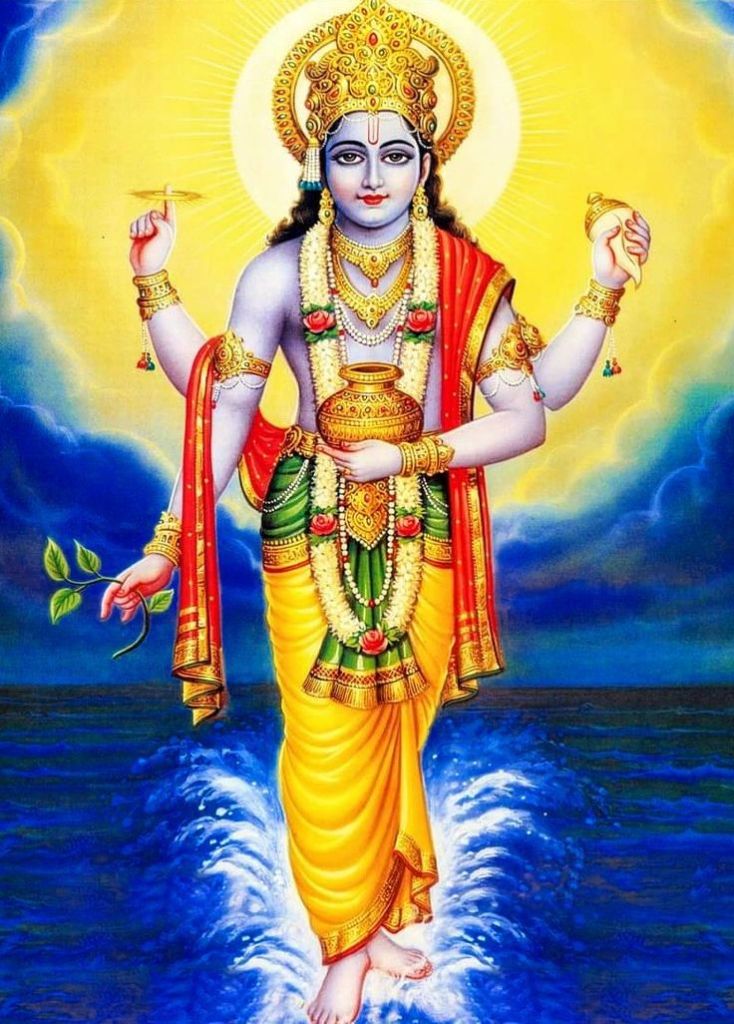
    Lord Dhanvantari, the god of Ayurvedic medicine and incarnation of Vishnu, emerged from the cosmic ocean during the Samutramanthan (churning of the cosmic ocean). The Devas and the Asuras decided to band together to churn the cosmic ocean in order get to the Amrit, the divine nectar of immortality, that was at the bottom. According to PubMed article PMID: 12572586:

    “The original conception of Ayurveda in its entirety is essentially linked to Dhanwantari who is considered as God of Hindu Medicine. Dhanwantari is considered a mythical deity born with ambrosia in one hand and Ayurveda on the other at the end of the churning of milk ocean. He reincarnated himself in the Chandra dynasty. He was born to King Dhanwa, learnt Ayurveda from Bharadwaja. His great grandson Divodasa was also known as Dhanwantari, but was specialized only in surgical branch of Ayurveda. Sushruta, is said to have learnt the art of science of surgery from Divodasa Dhanwantara.”

    Much of what is practiced across the globe as modern medicine, owes its roots to Ayurveda, mostly to Vaidya Sushruta, who was the first to perfect surgery. Sushruta the “Father of plastic surgery and brain surgery” was skilled in plastic surgery and is credited for developing the procedures which later became surgery. This legacy was documented in The Sushruta Samhita and became part of the medical trilogy Brihat Trayi, which is also includes the Charaka Samhita and Ashtangha Hridayam. (more to come on these subjects in future episodes of the podcast & blog)

    I give some more insights into Lord Dhanvantari on the Tishya Ayurveda podcast. Link below!

    https://anchor.fm/s/706c61bc/podcast/rss